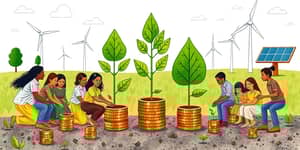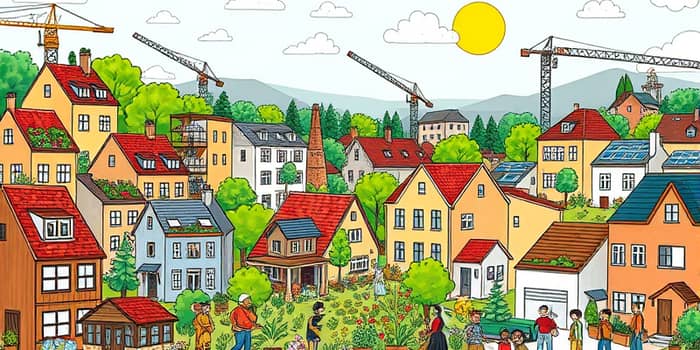
The global shortage of safe, affordable homes is more than a housing issue—it’s a societal emergency demanding creativity, collaboration, and courage. In every city, from New York to Nairobi, families struggle to secure shelter that doesn’t overburden their income. Yet innovative ideas are emerging, offering practical pathways to a future where everyone has a place to call home.
Today, nearly 80% of cities worldwide lack affordable housing for most residents. By 2100, we must build two billion new homes—an average of 96,000 affordable homes daily. These numbers capture the urgency but not the human toll: protests, political unrest, and millions forced into overcrowded, unsafe conditions.
In OECD countries, real house prices soared over 40% between 2010 and 2022. Some nations, like Canada, Chile, New Zealand, and Türkiye, saw price jumps above 75%. Meanwhile, one in three low-income tenants spends more than 40% of their earnings on rent—a burden rising to over 50% in places such as Colombia, Spain, and the United States.
Homelessness affects over two million people across OECD nations, though the true figure is likely higher. Public investment has grown by almost 40% in community amenities between 2016 and 2021, yet social housing still represents just 6–7% of total housing stock. With urbanization surging in Asia and population decline looming in Europe, the crisis is both global and regionally unique.
Multiple factors converge to deepen the crisis. In the United States, a structural shortage of 1.5 to 5.5 million units persists despite some inventory gains. This deficit stems largely from restrictive land-use regulations and slow post-2008 recovery in construction.
Demographics and urbanization intensify demand. Asia’s booming cities face climate risks and stretched resources. Europe’s aging populations portend declining demand, but also wasted infrastructure and underused stock.
Economic pressures—high borrowing costs, rising insurance premiums, increased utility expenses for data centers and transport—further strain budgets. Wages inch up, but not fast enough to keep pace with skyrocketing housing costs.
Lastly, climate change and biodiversity loss both worsen and offer opportunities. Well-designed housing can reduce carbon footprints, promote resilience against disasters, and integrate green spaces that support ecosystems.
Across continents, pilot projects demonstrate that affordable and sustainable can coexist and scale:
Such models show that with the right partnerships—governments, nonprofits, private sector, and residents—solutions can multiply across regions, climates, and cultures.
Every region brings unique challenges and creative responses. By examining these examples, policymakers and practitioners can adapt successful tactics to their own contexts:
These case studies underscore the importance of flexible policies, community engagement, and scalable technologies.
To turn these innovations into mainstream solutions, coordinated policy action is vital. A multifaceted approach addresses supply, demand, and social support simultaneously:
Below is a summary of key policy categories and their potential impacts:
By aligning local, regional, and national policies—and harnessing public will—governments can set timelines for meaningful improvement. Economists project that if incomes grow faster than a modest 2% annual price rise, U.S. affordability could rebound over five years. However, patience and persistence are essential; no single measure will suffice overnight.
Housing is both a human right and a cornerstone of healthy societies. The challenges are immense, but so is our capacity for innovation and solidarity. From 3D-printed shelters to YIMBY coalitions, the seeds of transformation are sown in every corner of the globe.
As we move forward, let us commit to policies that are data-driven, people-focused, and planet-positive. By combining building out of crisis with compassionate design and robust investment, we can ensure that affordable homes are not just statistics, but the foundation for thriving communities everywhere.
References