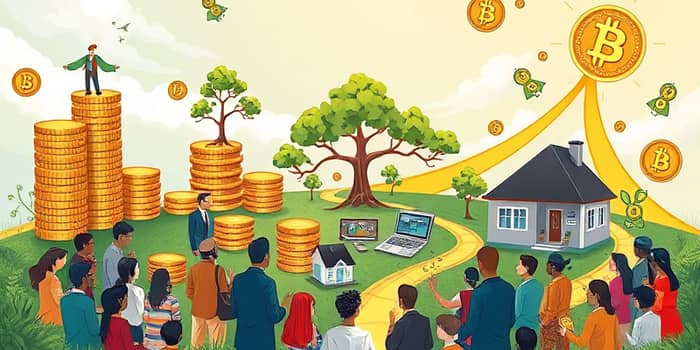
In an era where the traditional workforce is undergoing seismic transformations, relying on a single salary no longer ensures security, fulfillment, or freedom. Dynamic market forces, technological automation, and evolving career aspirations are prompting millions to seek alternative paths to wealth. Passive income offers a compelling answer, enabling you to create value that continues to yield returns long after the initial effort.
By design, passive income separates earnings from daily time commitments. It encompasses investments, real estate, digital platforms, and creative ventures—each requiring upfront work, strategic planning, and occasional maintenance but ultimately delivering financial rewards without a constant time-for-money exchange. This model fosters resilience, limitless scalability, and the ultimate prize: freedom to pursue meaningful passions.
Passive income involves earnings generated with minimal ongoing effort after initial setup, distinguishing it from wages or consulting fees tied directly to logged hours. According to the Internal Revenue Service, passive activities include business or trade ventures without material participation and rental properties. While losses from these streams cannot offset active or portfolio income, the tax advantages and compounding benefits often outweigh these constraints.
For instance, dividend investors who hold shares in stable companies—often known as Dividend Kings—have historically seen payouts grow by at least 5% annually. With dividends contributing approximately 32% of the S&P 500’s total return since 1926, this method underscores the potency of reinvestment and time. Similarly, house hacking, where homeowners rent out sections of their property, can cut mortgage costs dramatically while building equity for future expansion.
Diversification plays a pivotal role in building resilient wealth. By blending multiple income sources, you mitigate the impact of market downturns and economic shifts, creating long-term financial security.
Economic headwinds and societal shifts are accelerating interest in side streams. Post-COVID inflation, which peaked at 9.1% in 2022—the highest since 1981—has eroded real wages, prompting 72% of U.S. workers to pursue secondary income sources. As of 2024, side hustlers average $891 per month, a figure projected to grow alongside digital adoption and gig economy expansion.
Blockchain technology, decentralized finance (DeFi), and tokenization are democratizing access to new asset classes. Yield farming, staking, and crypto lending platforms enable everyday investors to earn interest rates well above traditional banks. Meanwhile, environmental and social governance (ESG) funds are attracting capital by aligning profit with purpose, signaling that sustainable investing is not just ethical but profitable.
Remote-first work arrangements have also fueled niche platforms. From selling digital art as NFTs to renting virtual real estate in the metaverse, creative pioneers are redefining ownership and monetization in a connected world. As remote work continues to blur geographic barriers, those who seize these innovations can unlock unprecedented growth potential.
Artificial intelligence and machine learning are also democratizing complex tasks like portfolio rebalancing, tax-loss harvesting, and personalized financial advice. Individuals can leverage AI-driven platforms to optimize returns and automate decisions, further reducing manual oversight while improving performance alignment with personal goals.
The subscription economy continues to thrive, with entrepreneurs launching membership communities, curated content services, and tiered offerings that provide predictable recurring income. By cultivating engaged audiences and delivering consistent value, creators can secure long-term revenue streams—transforming hobbies and expertise into stable enterprise.
No passive strategy is entirely risk-free. Market corrections can erode portfolio value, rising interest rates may reduce property yields, and regulatory shifts can disrupt digital ventures. Recognizing these challenges is the first step toward robust risk management.
Global events—from trade tensions to political unrest—can trigger sudden market shocks. Currency fluctuations may also affect returns for international holdings. Hedging strategies, such as currency-hedged ETFs or diversified geographic allocations, can help minimize these headwinds. Additionally, working with trusted advisors and staying informed about regulatory developments ensures you can adapt quickly when conditions shift.
Key actions include diversifying across asset classes, maintaining emergency reserves, and using hedging instruments such as options or inflation-protected securities. Additionally, regular portfolio reviews and performance tracking ensure that you stay aligned with evolving goals and market conditions, avoiding complacency during bull markets.
Building a sustainable passive income portfolio is a systematic process. Follow these steps to transition from planning to execution:
The pursuit of passive income is both an art and a science. It demands creativity, discipline, and resilience. As you diversify your streams and reinvest earnings, you’ll witness the power of compounding—and with it, a gradual yet profound shift toward financial autonomy and life fulfillment.
Every milestone, from the first dividend check to a fully booked rental property, reflects your dedication and vision. By staying adaptable, continuing to learn, and leveraging emerging trends, you can build predictable, scalable income systems that support your aspirations and redefine what true wealth means in the modern age.
References