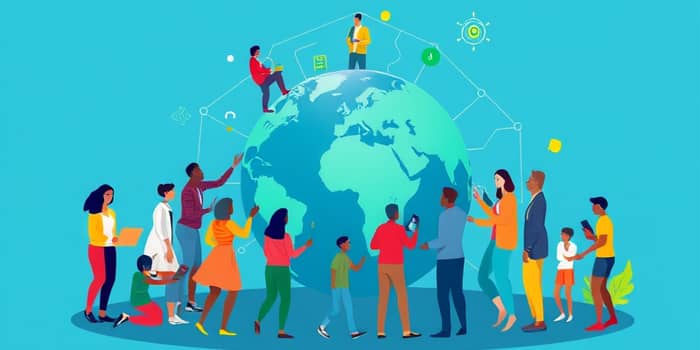
Demographic shifts are not mere statistics; they are the beating heart of our collective economic journey. From aging populations to youth bulges, from migration patterns to changing family structures, these movements define our challenges and shape our opportunities. By understanding and responding to these trends, communities and nations can foster growth, equity, and resilience in an ever-evolving world.
In this article, we explore how population dynamics intersect with global growth forecasts, labor markets, technology, and policy. We offer a hopeful vision supported by practical strategies—inviting readers to become active participants in forging a brighter economic future.
Population age structure and size are more than background conditions; they drive consumption, innovation, and fiscal balances. In some advanced economies, aging populations shrinking workforces threaten to slow growth and strain social services. In others, a surge of youth brings energy and potential but also risks of unemployment and underemployment.
These contrasts underscore a central truth: demographics create both drag and dynamism. Regions with rising fertility and healthy migration inflows can tap new labor pools and consumer markets. Those facing declines must innovate—boosting productivity through technology, redefining retirement, and redesigning welfare systems.
Major institutions forecast 2026 growth rates between 2.7% and 3.3%, below the pre-pandemic average of 3.2%. While variations reflect trade tensions and fiscal policy, a common theme emerges: demographic drags are material. Slowing immigration, workforce contraction, and aging contribute to slower expansion in North America, Europe, and parts of Asia.
Yet optimism persists where policy and innovation converge. The United States and several Asian economies, buoyed by technology investment and flexible labor markets, anticipate growth at the higher end of projections. Europe and China face steeper obstacles, from property market headwinds to regulatory rigidities.
Labor markets are mirrors of demographic change. In many advanced economies, job growth lags behind pre-pandemic levels—especially where net migration has slowed sharply. Youth unemployment hovers above 12%, reflecting skill mismatches and structural barriers.
Yet this generation holds the keys to innovation if empowered. Governments and employers can foster investment in digital infrastructure and training programs that align with emerging industries. Communities can support mentorship initiatives that leverage the intergenerational wealth of knowledge residing in older workers.
Artificial intelligence promises to offset some demographic headwinds by enhancing productivity and automating routine tasks. Yet the full benefits of AI will depend on skill readiness, infrastructure, and governance frameworks that protect workers and consumers.
At the same time, policy decisions around trade, tariffs, and fiscal stimulus will shape how effectively economies navigate demographic pressures. Strategic tax relief and targeted spending can stimulate demand where population growth is slowing, while immigration reform can replenish labor pools.
Through deliberate policy design, nations can transform demographic challenges into opportunities—creating resilient and inclusive economies that stand the test of time.
Real change happens at the community level. Local leaders, businesses, and citizens can collaborate to craft solutions tuned to their unique demographic realities. Here are five actionable steps anyone can champion:
By elevating community voices, we cultivate a sense of ownership and solidarity, ensuring no group is left behind as the economy evolves.
Demographic change will shape every aspect of life, from family structures to global trade. Yet it also offers a pathway to rejuvenation—an invitation to rethink work, deepen social bonds, and harness technology responsibly.
Imagine a world where aging citizens contribute through flexible roles and mentorship, where youth are equipped with future-ready skills, and where migrants bring their talents to thriving communities. This vision depends on our collective will to embrace global demographic transformation and growth as a springboard for innovation.
With foresight and cooperation, we can unlock unprecedented longevity and opportunity—building societies that honor the past while propelling us toward a more equitable, dynamic future. Together, through collaboration across generations and sectors, we will shape an economic destiny that reflects the best of our shared humanity.
References