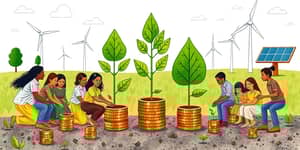
In a world where economies often resemble lone oaks standing tall against the storm, the risks of depending on a single source of revenue become starkly apparent. A solitary tree may tower above its surroundings, but it is vulnerable to every gust of wind and shifting season. Today, nations must nurture forests rather than fragile single-industry economic trees. By weaving together diverse sectors, countries can build resilience, foster innovation, and chart a course toward lasting prosperity.
Economic diversification is the deliberate process of broadening its range of activities so that growth does not hinge on one industry. It takes two primary forms: product diversification, where a nation expands the variety of goods and services it produces, and export diversification, which involves introducing new offerings to the global market and penetrating fresh geographies through deliberate policy interventions and innovations.
At its core, diversification reduces vulnerability to sectoral shocks and commodity price swings. When a shock ripples through one industry, a well-rounded economy can maintain momentum elsewhere, ensuring that citizens continue to find employment, governments sustain revenues, and businesses explore novel opportunities.
Why do policymakers place such emphasis on diversification? First, it provides a resilient and diversified economic foundation that dampens the impact of volatile markets. A nation reliant on oil or a single crop is at the mercy of global prices, weather events, and geopolitical tensions, often suffering rapid downturns that ripple through every community.
Second, a varied industrial base sparks creativity. By fostering diverse sectors working together, economies witness cross-pollination of ideas, technologies, and expertise. An innovation in renewable energy may inspire advances in manufacturing automation; a breakthrough in biotech can transform agricultural yields.
Turning the aspiration of a multi-sector economy into reality demands concerted effort across public and private spheres. Central to this endeavor is building sustainable competitive advantages within new sectors. Governments can encourage value-added production, such as processing raw cocoa into chocolate or transforming minerals into components for high-tech products.
History offers compelling case studies of nations that transformed their economic destinies. Chile moved beyond copper by investing in salmon farming, wine production, and a burgeoning tourism sector. Gabon has pursued petrochemical and service industries to reduce its oil dependency. Vietnam evolved from a rice exporter to a global hub for electronics assembly and software development. These examples underscore the power of embracing long-term strategic planning and sustained policy support.
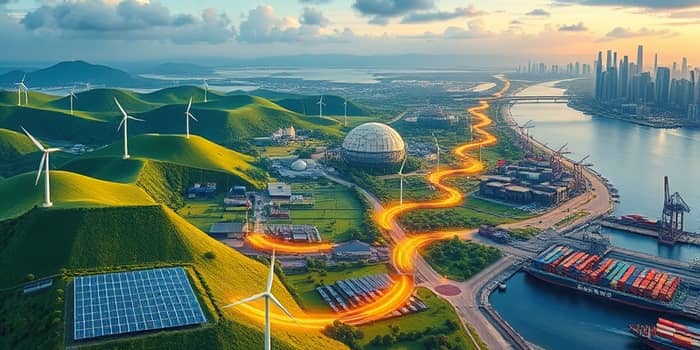
Modern diversification strategies increasingly align with environmental stewardship. By preserving natural resources and growth simultaneously, countries can invest in renewable energy—solar, wind, geothermal—while nurturing eco-tourism, sustainable agriculture, and circular economy initiatives. These green industries not only reduce carbon footprints but also open fresh avenues for investment and high-quality jobs.
Designing and executing a diversification plan begins with a thorough diagnostic assessment: identifying existing strengths, market opportunities, and infrastructure gaps. Next, stakeholders—from government agencies and private firms to local communities—must collaborate on policy frameworks that incentivize investment, skills training, and innovation ecosystems.
Capacity building in education, research, and technical training ensures that a skilled workforce stands ready to power new industries. Continuous monitoring, feedback loops, and adaptive governance allow policymakers to refine strategies in response to emerging challenges and opportunities. By embracing long-term strategic planning and committing resources to capacity development, nations can navigate the complexities of structural transformation.
Economic diversification is not a quick fix but a journey toward unlocking hidden potential within communities. It demands vision, resolve, and a spirit of collaboration between leaders, entrepreneurs, and citizens. As countries embark on this path, they craft economies that are not only more resilient but also more innovative, inclusive, and sustainable. The promise of a diversified future shines bright: a tapestry of industries working in harmony, driving prosperity for generations to come.
References