As the world’s population increasingly congregates in urban centers, the intricate tapestry of human settlement is being rewoven, shaping economies, societies, and environments alike.
In 1950, only 20% of humanity resided in cities. By 2025, that number has soared to nearly three out of five people, marking a profound shift in where and how we live.
This transformation unfolded over decades, driven initially by the Industrial Revolution and later by globalization. From modest towns accounting for 36% of global residents today to the 58% urbanization rate in 2025, the trend is clear: cities have become the heartbeat of modern life.
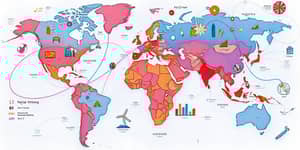
Urbanization is not uniform. While North America, Latin America, and Europe boast over 80% city dwellers, regions like Afghanistan and Uganda remain largely rural.
These contrasts underscore how economic, cultural, and historical factors shape local development trajectories, creating divergent urban landscapes around the globe.
Megacities generate massive wealth, yet paradoxically harbor deep poverty. A 10% increase in urbanization among low-income nations in 1960 correlated with accelerated economic growth over decades, yet some rapidly growing cities still struggle with slums and deprivation.
This phenomenon arises from two forces: the influx of global investment and a persistent cycle of low living standards. While global firms and innovation hubs flourish in megacities, local populations often face inflated housing costs, inadequate services, and widening inequality.
Urban growth demands robust infrastructure. Roads, transit, water supply, and waste management must keep pace with swelling populations.
Balancing these forces requires comprehensive sustainable urban planning, integrating green spaces, efficient transit, and resilient resource management to enhance livability and reduce environmental strain.
Migration from rural areas and rapid natural population increase drive city expansion. Every day, tens of thousands move to urban centers seeking jobs, education, and opportunity.
In developing countries, natural growth often outpaces migration. Young families settling in informal settlements contribute to the phenomenon of “poor megacities,” where vast populations coexist with limited infrastructure. Addressing these dynamics demands policies that support both newcomers and long-term residents alike.
By 2050, two-thirds of the world’s population is projected to live in cities. Asia and Africa will witness 90% of this growth, adding roughly 2.5 billion urban dwellers.
This surge presents both promise and peril. To harness the potential of urbanization, leaders must embrace inclusive policies for affordable housing, invest in sustainable transport, and ensure access to education and healthcare for all citizens.
As the world transitions from megacities to intricate networks of micro-economies, our collective challenge is clear: to cultivate urban environments that foster innovation, equity, and resilience. By understanding historical trends, regional nuances, and the dual nature of city growth, policymakers and communities can chart a course toward cities that not only grow but thrive for generations to come.
References