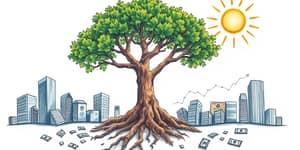
As our planet faces mounting environmental challenges, the concept of a green economy has emerged as a beacon of hope. By redefining success beyond gross domestic product and profit margins, we can achieve a harmonious balance between growth, equity, and the protection of natural systems. This article explores how we can collectively fund and build a sustainable future that works for people and the planet.
Transitioning to a green economy requires a deep understanding of its foundations and a commitment to practical strategies. Across the globe, governments, businesses, and communities are mobilizing resources to eliminate waste, reduce emissions, and uplift vulnerable populations. This journey demands innovation, collaboration, and bold leadership.
A green economy is more than a set of policies—it is a paradigm shift. It prioritizes environmentally friendly and sustainable development alongside social welfare and economic resilience. Traditional models often treat natural resources as endless commodities; a green economy recognizes their finite nature and intrinsic value.
The United Nations defines this approach as low-carbon, climate proof, resource-efficient and socially inclusive. It challenges us to design systems that satisfy human needs while safeguarding ecosystems. From renewable energy production to ethical supply chains, the green economy offers a roadmap to long-term prosperity.
Green economics rests on five interconnected principles. Each principle emphasizes a dimension of development that enhances collective well-being and environmental stewardship. Together, they form the bedrock for policies and investments that drive sustainable outcomes.
Inspired by historic recovery efforts, the Green New Deal envisions large-scale investments in renewable energy, energy efficiency, and sustainable infrastructure. Advocates argue that expanding energy efficiency and renewable energy sectors will generate millions of new jobs while decarbonizing our economies.
This comprehensive agenda pairs economic stimulus with environmental action. It calls for retrofitting existing buildings, upgrading public transit, and scaling clean technologies. Governments can leverage public funds to crowd in private capital, creating a virtuous cycle of innovation and investment.
Despite notable progress, a significant shortfall remains in global funding for sustainable development. Current flows fall well below the levels needed to achieve the Sustainable Development Goals (SDGs) by 2030. This financing gap poses a threat to both environmental targets and social equity.
The USD 4.0 trillion SDG financing gap in 2022 highlights the pressing need for expanded public, private, and philanthropic contributions. Without decisive action, low-income countries will face growing burdens, reversed progress, and mounting debt pressures.
To close this gap, a diverse palette of financial instruments has emerged. Green bonds, blended finance, and impact investments direct capital toward projects with measurable environmental or social benefits. Likewise, international aid and remittances play a pivotal role in funding critical services in developing regions.
Effective transformation requires coordinated action across governments, businesses, and civil society. A structured roadmap ensures that policies, financing, and stakeholder engagement align with sustainable development objectives.
Several obstacles hinder the green economy transition. Rising interest rates and debt burdens constrain developing nations’ capacity to invest in health, education, and climate action. Meanwhile, critical blind spots in data undermine efforts to track progress on goals like gender equality and sustainable cities.
Innovative solutions can break these barriers. Investment in technology innovation for cleaner production lowers costs and enhances competitiveness. Enhanced data collection and transparent reporting enable smarter policy design. And tailored strategies respect local contexts, ensuring relevance and resilience.
We stand at a crossroads. The choices we make today will define the world our children inherit. By embracing green economics, we can create thriving societies powered by clean energy, resilient infrastructure, and equitable opportunities.
Now is the time to act. Citizens, businesses, and leaders must unite, championing policies that reflect our shared values and long-term interests. With cross-sectoral political will and collaborative governance, we can transform crises into opportunities and leave a legacy of hope and prosperity.
Join the movement. Invest in renewables, support sustainable businesses, advocate for fair policies, and champion environmental justice in your community. Together, we can fund and build a sustainable future—one that secures the health of our planet and the dignity of all its people.
References