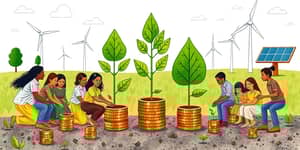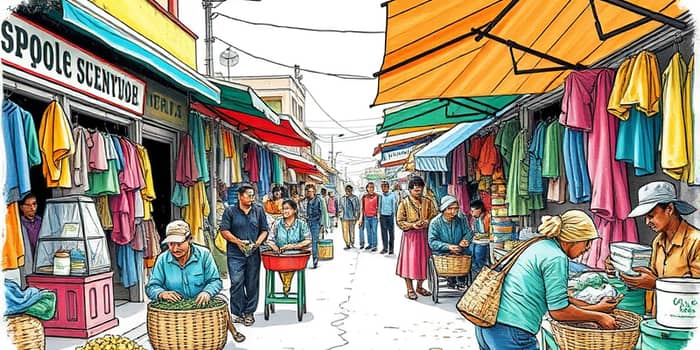
In every corner of the globe, a vast network of enterprise thrives beyond official oversight, shaping livelihoods and communities in profound ways. These connections, though often unseen, embody resilience and ingenuity. By understanding and empowering this hidden workforce, we can unlock both economic growth and social inclusion.
The informal economy encompasses all productive activities carried out outside legal and regulatory frameworks. These operations may be entirely legitimate, yet they escape official records and taxation. As the International Monetary Fund notes, they represent market activities that could boost GDP and revenue if recorded.
Rather than emphasizing legality, informality is defined by the lack of formal arrangements with the state. Workers and entrepreneurs in this sector fill gaps left by formal institutions, delivering goods and services where regulation may be too rigid or costly.
Informal employment engages approximately 2 billion people worldwide, accounting for nearly 60% of all workers aged 15 and older. The sector contributes an estimated 10 trillion dollars annually, representing up to 37% of GDP in emerging markets and 19% in advanced economies.
These figures underscore the critical livelihood source in developing regions and reveal how entrenched informality is, even in high-income countries where it accounts for nearly one-fifth of economic output.
Informal activity spans a diverse spectrum of work, from street vending to home-based manufacturing. This mosaic of enterprise reflects both necessity and opportunity.
These operations often share characteristics: they are small in scale, flexible in hours, and rely on immediate community networks rather than formal contracts or social security.
Informal economies play a vital role in poverty alleviation and job creation. By offering lower entry barriers for aspiring entrepreneurs, they provide a rampart against unemployment in the face of economic downturns. During crises, these sectors expand, absorbing labor shed by formal industries.
Yet informality also carries risks. Workers lack social protection and legal recourse, leaving them vulnerable to exploitation and illegal practices. Businesses in this sector encounter limited access to credit and training, stifling their ability to grow and innovate.
This duality creates a complex policy challenge: how to preserve the sector’s adaptability while extending protections that formal employment affords.
Formalization offers a route to greater security, access to finance, and improved productivity. At the same time, it demands careful design to avoid imposing burdensome regulations that drive entrepreneurs back into the informal sphere.
These steps reflect a shift from punitive measures toward inclusive strategies that build trust between authorities and informal operators.
Several countries have pioneered successful formalization initiatives. Italy’s decision to include estimates of unreported activity in GDP calculations increased its official output by 18%, demonstrating how recognition can transform public perception and policy design.
Meanwhile, in parts of Latin America, mobile registration units bring government services directly to market vendors, reducing administrative hurdles and fostering compliance. Such innovations showcase the power of flexible, community-driven approaches.
Grassroots innovation often emerges from small daily adjustments. Informal workers can take proactive steps to strengthen their enterprises and prepare for formalization.
These actions build credibility and lay the groundwork for smoother transitions into the formal economy.
Formalization is not an end in itself, but a means to amplify the potential of millions of micro-enterprises worldwide. By combining flexible policy frameworks with supportive community structures, we can foster an environment where informal workers evolve into resilient business owners.
This transformative journey requires collaboration among governments, civil society, and the private sector. By listening to the needs of informal entrepreneurs and crafting policies with empathy, we unlock a path toward shared prosperity.
Every informal trader, artisan, and home-based worker holds a piece of untapped potential. When these individuals are recognized and supported, they become catalysts for innovation, community development, and sustainable growth.
As stakeholders, we all share responsibility for unlocking hidden value. Through targeted programs, inclusive regulations, and grassroots engagement, we can build bridges between the informal and formal worlds.
Together, we can create a future where every worker enjoys dignity, security, and opportunity—transforming invisible industries into engines of progress for us all.
References