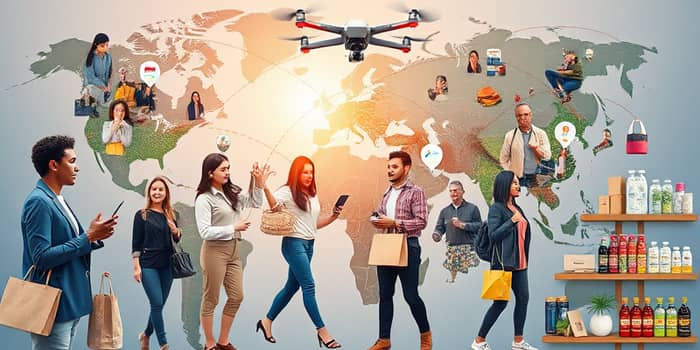
In an era defined by uncertainty and rapid transformation, understanding what guides consumer choices has never been more critical. From economic pressures to digital evolution and ethical concerns, businesses must navigate a complex web of forces to connect with modern shoppers.
Global consumers wield $16.1 trillion in spending power, yet their outlook remains cautious. A staggering 74% of respondents express apprehension about rising everyday prices, signaling persistent anxiety despite continued purchasing.
At the heart of this tension lies the simultaneous trading down and splurging paradox. Nearly 79% of consumers seek value through discounted or private‐label items, while 19% deliberately cut back on essentials to indulge in premium discretionary categories.
This cross‐category dynamic is especially acute in markets such as Brazil, China, and the UAE, where cultural and economic factors drive both thrifty and indulgent behaviors side by side. Even among the most price‐sensitive shoppers, over one-third plan selective splurges reminiscent of pandemic-era comforts.
Today’s consumers demand an immediate gratification and rapid fulfillment focus. Speed alone no longer differentiates; it is now the baseline expectation alongside affordability and reliability.
Retailers that excel provide seamless end-to-end experiences, combining speedy delivery with flexible payment and return options. Key consumer expectations include:
Brands that overlook these criteria risk losing shoppers who view convenience as non-negotiable.
The digital revolution continues reshaping how consumers allocate their free time and interact with brands. US adults report three hours more free time per week compared to 2019, channeled largely into solo pursuits.
Digital activities have surged, with consumers dedicating increased hours to:
Yet as e-commerce and food delivery penetrate everyday life—food delivery alone rose from 9% to 21% of global service spending since 2019—a critical trust gap persists. Brands must ensure that their digital interfaces and customer service mirror or exceed in-store experiences to build lasting loyalty.
More than ever, consumers factor environmental and social impact into their purchases. A sustainability premium of 9.7% indicates willingness to pay more for responsibly made goods, while 64% rank ethical sourcing as a purchase priority.
However, 30% have boycotted brands over sustainability or ethical concerns, sending a clear message: corporate responsibility is no longer optional. Companies that embed eco-friendly practices and transparent supply chains will capture both market share and trust.
Despite growing interest in premium and sustainable offerings, price remains king for the majority. In food and beverage shopping, 79% of consumers cite cost as their top criterion, surpassing taste, nutrition, and convenience.
This focus has fueled the rise of private labels, as value-conscious shoppers discover higher quality and innovation in store brands. Retailers that invest in improving private-label portfolios can attract budget-minded customers without sacrificing margins.
Gen Z’s spending power is expanding at twice the pace of previous cohorts at the same age, set to surpass baby boomers globally by 2029. As the first generation fully digital, they expect immersive online experiences and prioritize authenticity and social impact.
By 2035, this cohort will contribute an additional $8.9 trillion to the global economy, underscoring the need for brands to align with their values, from sustainability to inclusive marketing.
Comfort food remains a top choice as consumers seek solace amid economic volatility. Simultaneously, a craving for global flavors—particularly authentic Asian cuisines—drives experimentation and cultural exploration.
The balance between health and indulgence has never been more nuanced. Shoppers favor healthy with a side of indulgence, opting for better-for-you snacks fortified with protein or reduced sugar rather than strict diet regimens.
Even as 86% of meals were home-sourced recently, the outlook for foodservice is optimistic. Return-to-office mandates and a desire for social dining experiences suggest that restaurant traffic will rebound in 2025.
Cutting-edge retailers are harnessing AI-driven personalization to anticipate consumer needs, from tailored promotions to dynamic pricing adjustments in real time. Robust simulation capabilities enable scenario planning and swift responses to competitive moves.
Local preferences are also reshaping supply chains, with shoppers showing renewed interest in domestic products. Brands that balance global reach with local relevance can establish deeper connections in diverse markets.
Looking ahead, shoppers increasingly seek anticipatory features and intuitive interfaces. Key desired capabilities include:
Organizations that invest in these technologies will deliver truly frictionless journeys, transforming transactions into personalized experiences that delight and retain customers.
As global consumer behavior continues to evolve, businesses must embrace a holistic strategy—one that blends economic insights, technological innovation, and ethical stewardship. By staying attuned to the complex tapestry of spending power, digital habits, generational values, and sustainability concerns, brands can craft resonant experiences that inspire loyalty and drive growth in an ever-changing marketplace.
References