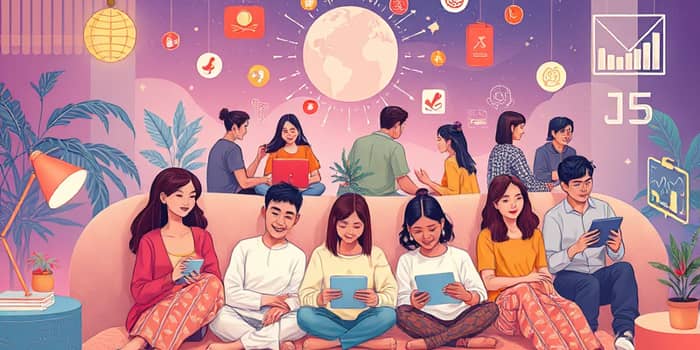
In 2026, businesses face a pivotal moment as consumers redefine their priorities in a post-pandemic, digitally driven world. Economic stabilization has shifted focus toward essentials, individuality, and innovation. Understanding these shifts is no longer optional—it is the foundation for growth, resilience, and meaningful connection.
Over 50% of consumers report moderate to extreme daily stress, fueling a “less but better” mindset that permeates every purchasing decision. In response to this collective need, brands are curating environments rich in stress relief and comfort. From aromatherapy diffusers infused with natural botanicals to modular furniture designed for relaxation, the home has become the ultimate wellness retreat.
Natural and clean products have seen explosive growth online, with over 8,000 new releases by August 2025. Subscription services—from personalized tea blends to mindfulness apps—cater to busy lifestyles while delivering consistency and convenience. Nostalgic packaging and retro-inspired scents further tap into emotional comfort, reminding consumers of simpler times.
Leading companies invest in sensory research and smart-home integration, offering mood-adjusting lighting and AI-driven playlists that promote relaxation. By creating holistic, multi-sensory experiences, brands can build deep emotional loyalty around well-being and meet consumers’ evolving definitions of comfort.
Authenticity reigns supreme for Gen Z and younger Millennials, who actively reject uniformity and mass-market messaging. This cohort demands hyper-personalization, micro-communities, and transparency as they curate distinct identities and forge meaningful connections. Online forums, niche social networks, and brand-led interest groups have become critical platforms for engagement.
Consumers scrutinize ingredient lists, supply chains, and corporate practices, rewarding brands that prioritize ethical sourcing and clear labeling. Emotionally indulgent spending persists, as this generation values experiences over ownership. Limited-edition releases, co-created collections, and customizable products empower shoppers to express individuality—turning each purchase into a personal statement.
To thrive, brands must leverage user-generated content, host virtual events, and foster collaborative design processes. By embedding authenticity and social purpose into their core, organizations can transform customers into brand ambassadors and tap into the viral potential of engaged micro-communities.
The confluence of health and technology has redefined modern self-care. With track health via apps and wearables, 75% of consumers now monitor fitness, sleep, and nutrition metrics, while 40% conduct at-home diagnostics for routine health checks. These behaviors signal a shift from reactive to proactive health management.
Science-backed formulations and AI-driven beauty devices are reshaping the personal care landscape. Functional ingredients—such as adaptogens, peptides, and microbiome-friendly complexes—address specific concerns and justify premium pricing. Nearly half of shoppers indicate they will pay more for products with clinically validated results.
Generational divides emerge: younger consumers eagerly adopt AI-driven wellness platforms that offer personalized regimens, while older demographics embrace digital solutions to support longevity and chronic care. Brands that build robust digital ecosystems—featuring virtual consultations, personalized dashboards, and integrated loyalty rewards—stand to capture this burgeoning market.
Shaking the foundations of global retail, Asian innovators—led by Chinese technology pioneers—are blazing new trails in speed, design, and customer engagement. Companies like SHEIN, Temu, and P Louise demonstrate how Chinese brands gain mainstream acceptance via innovation, combining rapid product cycles with data-driven insights. Livestream shopping events regularly generate millions in sales within hours, showcasing the power of real-time engagement.
To compete effectively, international brands must embrace cultural storytelling rooted in local traditions while infusing modern aesthetics. Collaborations with regional influencers and micro-celebrities can humanize offerings and accelerate market penetration. Rapid iteration—an Asian hallmark—empowers brands to test, learn, and adapt in days rather than months.
Adopting agile development practices, responsive supply chains, and digital-first marketing will allow global players to mirror the agility of Asian disruptors. In an age of borderless commerce, the ability to localize at scale is a competitive imperative.
While inflation is projected to cool from 4.2% to 3.6% in 2026, consumer caution remains elevated. Over 32% of global shoppers describe themselves as deeply cautious, prioritizing essentials like utilities and groceries, which have seen net intention increases of 15% and 8%, respectively. Simultaneously, categories such as fresh produce, meat, and dairy experience modest declines.
In the US, household spend on fast-moving consumer goods rose 4% in volume, driven by health and beauty (+8%), baby care (+7%), pet supplies (+4%), and household products (+3%). Despite this uptick, discretionary out-of-home spending on dining and entertainment continues to wane. The duality of cautious spending amid easing inflation and indulgence in wellness categories demands strategic focus.
Brands that offer clear value propositions—through bundles, warranties, or subscription savings—while maintaining emotional resonance will capture share. Monitoring regional inflation heat maps and volume growth trends can guide targeted pricing and promotional strategies.
The digital economy now accounts for a seismic shift in retail: 21.1% of global retail sales online, up steadily year over year. Social commerce, projected to represent 17% of e-commerce by 2026, is fueled by shoppable livestreams and immersive video content. In the US alone, live-stream shopping approaches $70 billion annually.
AI-powered search and recommendation engines influence purchase decisions for 22% of shoppers, with millennials (30%) and Gen Z (26%) leading adoption. Voice assistants, virtual reality try-ons, and omnichannel loyalty programs are no longer experimental—they are essential tools for connecting and retaining customers.
Brands should optimize for seamless cross-channel experiences, leveraging data analytics to anticipate needs and personalize interactions. By incorporating chatbots, AR product demonstrations, and frictionless checkout options, retailers can transform casual browsers into loyal advocates.
As we navigate 2026, the convergence of well-being, personalization, and digital innovation shapes every facet of consumer behavior. To thrive in this dynamic environment, brands must:
By aligning with evolving priorities—prioritizing calm, authenticity, and consumer control—brands can unlock growth and cultivate enduring relationships. The global consumer of 2026 is informed, empowered, and ready to engage with brands that resonate on emotional, practical, and technological levels.
Mapping these trends is more than an academic exercise; it is a strategic imperative. As markets evolve and new challenges arise, the brands that embrace empathy, transparency, and innovation will define the future of commerce. The journey toward deeper consumer understanding begins today.
References