The ocean economy stands at a pivotal moment, balancing rapid growth with unprecedented challenges. As we look toward the early 2030s and beyond, sustainable strategies will shape livelihoods, ecosystems, and global prosperity.
By harnessing innovation and collaboration, we can secure marine resources for future generations while fostering economic resilience.
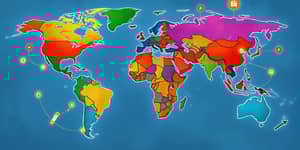
The scale of maritime commerce and resource use has never been greater. In 2023, global ocean economy exports reached $2.2 trillion, with services accounting for 59% of that total.
Over the past three decades, the sector grew 250% since 1995, outpacing overall global economic growth by a significant margin. Today, the ocean economy’s total value is estimated at current value estimated at $3 trillion, including energy, goods, and services.
Despite remarkable growth, the ocean faces mounting threats that imperil economic stability and biodiversity. Climate change, overfishing, and infrastructure vulnerabilities require urgent attention.
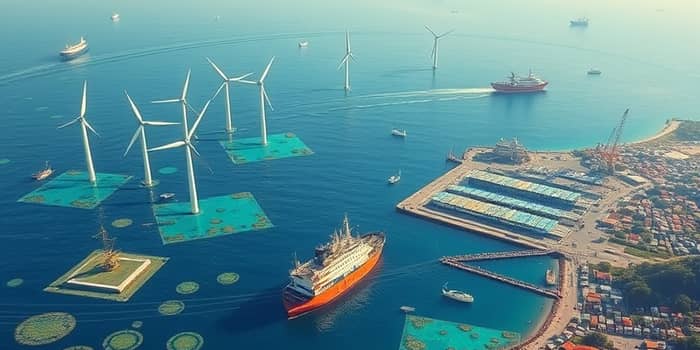
Transitioning to a resilient, low-impact ocean economy depends on adopting cleaner technologies and restoring natural habitats. The blue economy emphasizes sustainable use across shipping, fisheries, renewables, biotech, and tourism.
Key strategies include cleaner fuels such as LNG, route optimization, climate-resilient port infrastructure, fishing quotas with selective gear, and innovative aquaculture techniques that minimize environmental footprints.
Natural solutions offer substantial returns: restoring mangroves and coral reefs can protect coastlines and yield ecosystem services like carbon storage and fisheries enhancement. In financial terms, every dollar invested in restoration can return up to three dollars in long-term benefits.
Robust policy frameworks and financing mechanisms are essential to bridge a funding gap of $120–154 billion needed for conservation, restoration, decarbonization, and protected areas.
Ending marine capital underpricing to fund $120-154 billion gap will unlock investments in anti-illegal fishing measures, plastic reduction, and ecosystem resilience. Coordinated international governance, especially in 2026 amid geopolitical shifts, can facilitate shared objectives and resource allocation.
The ocean economy supports millions of coastal livelihoods in fisheries, aquaculture, maritime transport, and tourism. Sustainable development can generate new roles in habitat restoration, renewable energy maintenance, and ecotourism management.
By focusing on equitable growth, stakeholders can ensure that coastal communities benefit from stable incomes, improved food security, and enhanced well-being.
Several trends will define the ocean economy’s trajectory over the next decade:
Shipping rates are forecast to adjust in 2026, with spot rates down by 25% and long-term rates easing by 10% on average, reflecting a market adapting to decarbonization pressures.
The ocean will increasingly serve as a climate moderator and innovation frontier, where tension between sustainability goals and resource competition will demand agile governance and forward-thinking investment.
With supports over 3 billion people for food and transports the vast majority of global trade, the ocean economy’s health underpins global prosperity. By embracing sustainable practices, strengthening governance, and investing wisely, we can chart a course toward a resilient blue future.
Together, stakeholders can turn emerging challenges into opportunities, ensuring that marine resources remain abundant and productive for generations to come.
References