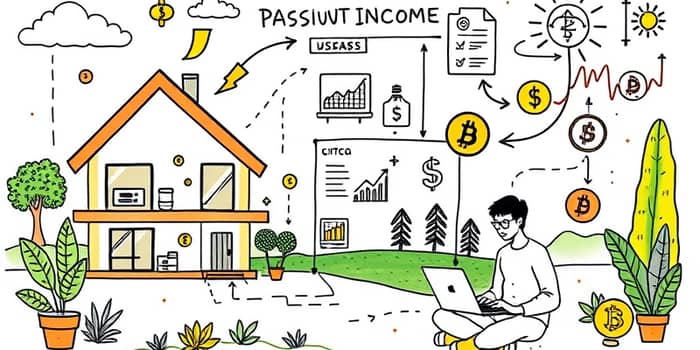
In a world seeking financial freedom, passive income stands out as a beacon of possibility. By leveraging time, technology, and capital, anyone can build low-effort ongoing revenue streams that work around the clock. This playbook dives deep into the most promising strategies of 2026, offering actionable insights to help you develop reliable earnings without sacrificing your lifestyle.
The modern economy rewards innovation and adaptability more than ever. Passive income isn’t just extra cash; it’s the foundation of compounding returns over time and true financial resilience. As markets fluctuate, having multiple income channels can soften shocks and sustain growth.
Imagine earning even while you sleep: rents depositing automatically, digital course sales ticking upward, dividends showing up in your account. These possibilities become reality through consistent effort, smart tools, and strategic allocation of resources.
We’ve grouped the most powerful ideas into three main categories. Each path balances effort, risk, and scalability to match your goals, skills, and risk appetite.
Every strategy carries its own set of challenges. However, diversification protects your capital by spreading exposure across unrelated assets. Combining conservative bonds with growth-oriented digital products can create a balanced portfolio.
Volatility in crypto and equities can be offset by the steady flow of rental income or course royalties. Always account for platform fees, tax implications, and potential defaults when using P2P lending. Start small, track performance, and reinvest gains to accelerate growth.
Key starter tips:
1. Automate monthly contributions to index funds or robo-advisors.
2. Dedicate focused blocks of time to create and launch a digital product.
3. Research local laws before listing any property for short-term rental.
4. Reinvest a portion of all passive returns back into new ventures.
Technological advances will continue to redefine passive income. AI-driven analytics help you optimize ad spend, refine course content, and predict market trends. Blockchain innovations expand staking and yield-farming opportunities, while decentralized platforms lower entry barriers.
Sustainability and ethical investing are also on the rise. Green bonds, renewable energy ETFs, and eco-friendly REITs cater to investors who demand both returns and positive impact. As remote work cements itself globally, demand for digital services, online education, and virtual experiences will skyrocket.
Platforms to watch include: Fundrise for real estate, Wealthfront for automated investing, Trading212 for commission-free trading, and specialized DeFi wallets for seamless crypto staking.
Building a resilient passive income portfolio in 2026 requires both vision and discipline. By combining traditional investments, digital products, and rental assets, you establish a diversified ecosystem of earnings that grows even when you’re not actively working.
Start by assessing your resources, risk tolerance, and interests. Deploy small experiments—maybe an index fund and a mini online course—and scale what succeeds. Over time, these streams merge into a powerful financial engine, delivering freedom, security, and the joy of watching your wealth flourish.
References