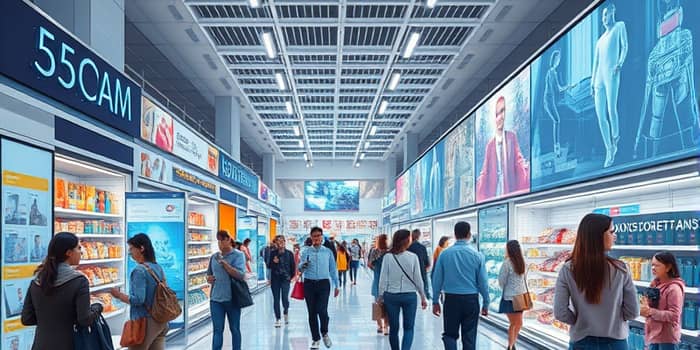
Retail in 2026 stands at a crossroads where technology, consumer expectations, and economic pressures converge. This transformation isn’t incremental—it’s revolutionary. As shoppers demand more personalized interactions, faster fulfillment, and meaningful brand engagement, retailers must deliver on multiple fronts simultaneously. From AI-driven engines to experiential destinations, the modern retail landscape embraces innovation without sacrificing human warmth.
Artificial intelligence no longer lurks behind the scenes; it powers every stage of the shopping journey. From dynamic pricing to inventory optimization, AI-driven systems adapt in real time to consumer needs. Walmart’s AI engines, for example, have reduced stockouts by anticipating demand spikes, while chatbots guide customers through complex purchase decisions.
Nearly 60% of online shoppers now use AI tools for research and purchase decisions. Retail executives report that 87% have deployed AI in at least one business area, and 60% plan to increase spending on these technologies. Yet success requires more than algorithms—it demands a delicate balance.
By integrating AI with human oversight, retailers can foster trust, avoid over-automation, and preserve brand loyalty even as generative technologies proliferate.
Today’s consumers reject channel silos. They expect unified experiences whether they shop online, via social platforms, or in brick-and-mortar locations. Executives rank omnichannel integration and loyalty programs as top priorities, recognizing that seamless transitions drive satisfaction and sales.
Innovations like endless-aisle kiosks, QR-code enabled product details, and same-day delivery blur the line between physical and digital. By 2026, retailers will remodel hundreds of stores to become interactive showrooms, while mobile apps guide in-person shoppers to promotions and personalized recommendations.
Successful omnichannel strategies include:
Such integration not only enhances convenience but also cultivates deeper engagement across touchpoints.
As screen time grows, consumers crave hands-on, social experiences that e-commerce alone cannot provide. Malls evolve into entertainment hubs, hosting pop-up events, dining concepts, and brand activations that foster emotional connections. Ralph Lauren’s coffee-infused pop-ups blend lifestyle with retail, creating memorable moments that drive word-of-mouth and loyalty.
Simultaneously, social commerce has exploded. Livestream shopping, pioneered by Asian markets, now commands 17% of online sales in the U.S., with projections of $70 billion in livestream revenue. UK beauty brand P Louise achieved $2 million in sales within twelve hours on TikTok Shop, demonstrating the power of live interaction and instant purchase.
Key elements shaping this trend:
Economic pressures influence purchasing decisions like never before. While over 40% of consumers are willing to pay more for value-aligned products, more than 60% prioritize affordability. This structural shift toward value channels appears permanent, prompting retailers to expand private labels. Walmart’s BetterGoods line and Kroger’s Simple Truth protein range exemplify this strategy, reaching nearly $277 billion in private label sales by 2025.
Inflation-adjusted retail sales growth is forecast at 3.5% in 2026, slightly slower than the previous year, reflecting a complex interplay between demand and rising prices. Retailers that combine quality, price, and transparency will win over budget-conscious shoppers.
Value-seeking behavior amid economic pressures also drives ingenuity in product sizing and assortment. For instance, smaller package sizes and nutrient-focused offerings cater both to GLP-1 drug users and health-conscious individuals seeking better portion control.
Optimism abounds, but challenges persist: Gen Z and Alpha expect sustainability, authenticity, and hyper-personalization, while tariff uncertainties and AI hygiene demands add complexity. Retailers must adopt multifaceted strategies that embrace technology, nurture human connections, and deliver compelling value.
Consider this summary of leading retailers’ initiatives:
To capitalize on these developments, retailers should:
Ultimately, the future of retail hinges on agility, empathy, and innovation. Retailers that combine advanced technology with genuine human engagement will redefine consumer experience, fostering loyalty and driving growth in an ever-evolving marketplace.
As we move further into 2026, the brands that anticipate needs, surprise customers with delightful interactions, and stand for authentic values will lead the charge in rethinking retail for a new era.
References