Globalization has lifted millions out of poverty, expanded markets, and accelerated innovation. Yet beneath this success story lies a complex web of challenges that threaten to undermine progress and deepen divides. As the world navigates a rapidly shifting landscape, understanding globalization’s darker dimensions is essential for crafting policies that safeguard inclusive and sustainable growth.
From slowing economic momentum to rising inequality, from trade frictions to technological disruptions, the coming decade could lock the world into a cycle of stagnation and tension unless decisive action is taken. This article explores these challenges and outlines potential pathways to steer globalization onto a more equitable trajectory.
After a resilient performance in 2025 driven by consumer spending and easing inflation, growth projections for 2026 dipped to a modest 2.7% globally, far below the pre-pandemic average of 3.2%. Alternative forecasts vary—IMF pegs 2026 growth at 3.3%, Morgan Stanley at 3.2%—yet all signal a deceleration in manufacturing, trade, and investment.
Many analysts warn of persistent low growth traps that could become self-reinforcing. With investment rates subdued and fiscal space constrained by high debt levels, economies face the risk of entrenched stagnation.
The recovery from the pandemic has been heavily skewed. In the United States, the top 20% of households fueled consumption gains, while the bottom 60% continue to grapple with stagnant wages and eroded purchasing power.
High prices for essentials such as food, energy, and housing have disproportionately hurt lower-income families, entrenching a bottom segments struggle disproportionately globally dynamic that questions the sustainability of social contracts. Without targeted interventions, wealth and opportunity gaps are set to widen further.
Trade growth, which surged by 3.8% in 2025, is set to slow to just 2.2% in 2026 as geopolitical rivalry and tariff measures weigh on cross-border commerce.
The rapid advancement of artificial intelligence offers both opportunity and peril. While AI-driven automation could boost productivity, it also threatens to displace up to 60% of jobs in advanced economies and place data centers on track to consume 10% of U.S. power by 2030.
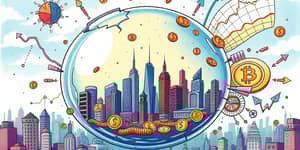
Economists warn of a potential AI bubble: if commercial applications fail to meet lofty expectations, a crash could undermine markets and confidence. Meanwhile, cybersecurity and misinformation risks surge as malicious actors exploit new digital tools.
Policymakers must balance innovation with safeguards, investing in reskilling programs and regulatory frameworks to ensure technological adoption does not exacerbate unemployment or social fragmentation.
Global debt soared past 235% of GDP by mid-2025, spanning sovereign, corporate, and household sectors. High borrowing costs leave limited room for fiscal stimulus in a downturn.
Though headline inflation is projected to ease to 3.1% in 2026, price pressures persist in critical areas. Food prices remain volatile, energy costs spike amid geopolitical shocks, and housing affordability continues to deteriorate.
With lofty debt burdens constrain responses central banks may face policy trade-offs between taming inflation and supporting growth, complicating the path to stability.
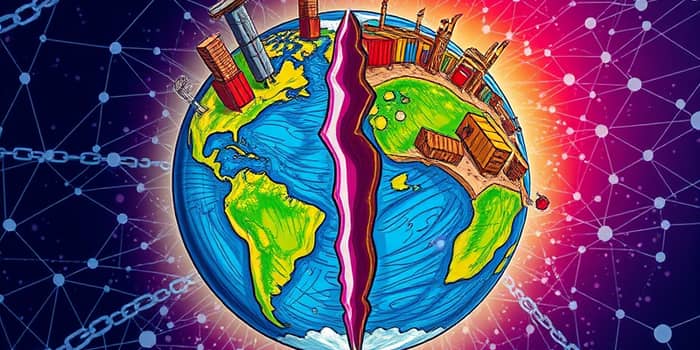
Economic fragmentation and rivalry among major powers have fueled a retreat from laws and institutions that underpin cooperation. As UN Secretary-General António Guterres notes, “A combination of economic, geopolitical and technological tensions is reshaping the global landscape, generating new economic uncertainty and social vulnerabilities.”
More than 40% of global respondents characterize the two-year horizon as “unsettled,” with protectionism and multipolar strife looming as primary concerns. This contested multipolar landscape emerging poses risks not only to trade but also to collective action on climate and health crises.
Growth prospects vary widely across regions, reflecting diverse drivers and vulnerabilities. In Western Asia, strong energy demand underpins a forecasted 4.1% growth, while the European Union sees its rate slow to 1.3% amid geopolitical uncertainty. China aims for 4.5% growth despite property market corrections, and Sub-Saharan Africa faces deep structural challenges.
This uneven landscape risks widening the North-South divide, as developing countries struggle with debt, climate shocks, and limited access to finance.
By mid-2024, an estimated 123.2 million people were displaced by conflict, persecution, or climate events, nearly doubling in a decade. Host nations face border pressures, stretched social services, and community tensions.
Meanwhile, remittance flows to low-income countries fell by 5.5%, curtailing a vital lifeline for millions. Youth bulges in fragile states risk fueling unrest if opportunities remain scarce.
To avoid a deepening crisis, governments must bolster asylum systems and cooperate on new pathways for safe migration.
Despite these daunting challenges, there remain clear avenues to steer globalization toward shared prosperity. A revival of multilateral cooperation, coupled with targeted policy innovation, can restore momentum and mitigate risks.
Building consensus around fair rules for trade and investment can ease tensions and unlock new markets, particularly for developing economies.
Ultimately, the future trajectory of globalization hinges on our collective will to address its dark side. By embracing inclusive policies, strengthening institutions, and fostering cooperation, we can chart a path toward a more balanced and resilient global economy—one that delivers benefits for all.
References