In an era where urban areas have become the economic engines of nations, cities must evolve to harness their full potential. Metropolitan regions generated 94.3% of U.S. GDP in 2024, underscoring the critical role of well-crafted urban planning in sustaining and advancing economic growth.
From integrating smart technology into public services to designing resilient infrastructure that withstands climate risks, forward-thinking strategies are essential. This article explores leading examples, data-driven insights, and actionable approaches to shape vibrant, inclusive, and sustainable cities of the future.
Across the globe, certain urban centers have distinguished themselves by blending innovation, sustainability, and robust governance. These cities set benchmarks for others aspiring to enhance their competitiveness and livability.
These cities share a commitment to mixed-use developments, prioritizing accessible public spaces, affordable housing, and green building standards. Their successes illustrate how urban design can catalyze job creation, innovation ecosystems, and improved quality of life.
The United States experienced real GDP growth of 2.8% in 2024, driven overwhelmingly by metropolitan economic activity. Projections indicate a growth rate of 1.9% in 2025, rising to 2.2% in 2026 as labor markets stabilize and consumer confidence rebounds.
Colorado, for example, is poised to outpace national averages with projected real GDP growth of 2.1% in 2025 and 2.9% in 2026. Job expansion in education, healthcare, trade, and transport sectors is expected to add over 17,500 positions, demonstrating regional resilience and the impact of robust policy frameworks.
Such figures highlight how targeted investments and adaptive planning can yield tangible economic benefits at both national and regional scales.
Emerging trends in city planning are redefining how communities interact, commute, and thrive. These developments go beyond aesthetics, directly influencing economic vibrancy and social well-being.
By embracing these innovations, cities can boost quality of life while mitigating environmental pressures and strengthening social cohesion.
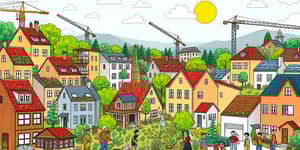
Creating dynamic neighborhoods where people live, work, and play is fundamental to sustaining vibrancy. Residential-led mixed-use models ensure constant foot traffic, support retail activity, and foster social interaction.
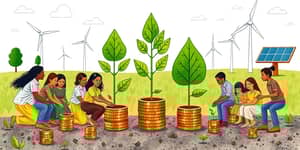
Aligning public sector goals—such as sustainability and affordable housing—with private capital is crucial. Innovative financing mechanisms, including public-private partnerships and opportunity zone investments, can unlock resources for large-scale projects.
Rapid urbanization, with more than half the global population now residing in cities, has intensified housing pressures. By 2050, urban dwellers are projected to exceed 6.68 billion, including 43 megacities predominantly in Asia, Africa, and Latin America.
Housing costs have outpaced incomes by up to 50% in some regions, creating affordability gaps that threaten social stability. Record-high homelessness rates, coupled with rising insurance premiums and climate risks, compound the challenge.
City leaders are exploring zoning reforms, rental assistance programs, and innovative delivery models like modular construction to expand supply. Meanwhile, policies promoting social inclusion and equitable access to amenities remain vital to prevent displacement and maintain social fabric.
Uncertainty in federal funding for housing, transportation, and climate initiatives underscores the need for localized solutions. Municipalities are leveraging community engagement, data-driven governance, and agile budgeting to fill gaps.
Opportunity Zones, sustainable finance frameworks, and doughnut economics principles offer pathways to balance growth with equity and ecological boundaries. Investments in smart grids, IoT sensors, and energy storage enhance climate resilience while reducing operational costs.
By fostering cross-sector collaboration among government agencies, private investors, and community organizations, cities can create integrated strategies that deliver economic, environmental, and social dividends.
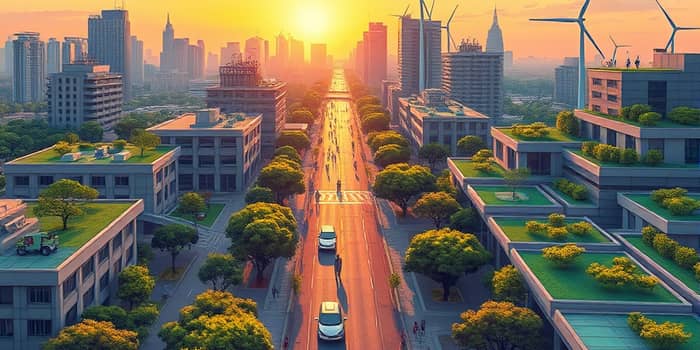
As urban populations swell and economic landscapes shift, the importance of intentional, forward-looking planning cannot be overstated. By integrating technology, sustainability, and human-centered design, cities can become engines of opportunity, innovation, and resilience.
Stakeholders at every level—planners, policymakers, developers, and residents—must collaborate to craft environments that thrive economically and socially. The blueprint for economic vibrancy lies in the intersection of smart infrastructure, inclusive development, and proactive governance. Embracing these principles today will pave the way for healthier, more dynamic cities tomorrow.
References