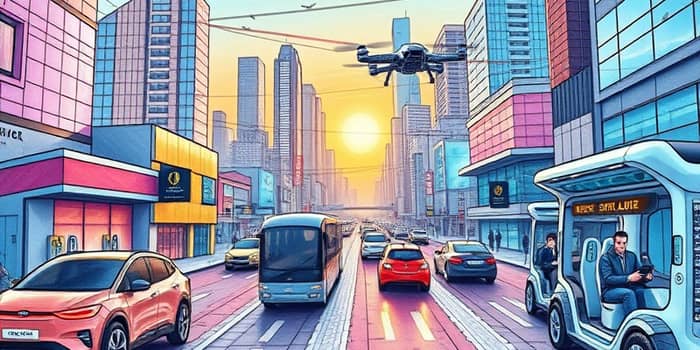
In an era defined by rapid technological breakthroughs and evolving consumer expectations, the mobility landscape is undergoing a profound transformation. From the quiet hum of electric vehicles to the precision navigation of autonomous fleets, transportation is no longer just a means to an end—it is a catalyst for economic renewal and societal progress. This article explores how electrification, self-driving systems, AI integration, and dynamic talent mobility programs are converging to reshape global economies, influence job markets, and redefine modern living. By examining macroeconomic projections alongside sector-specific innovations, we uncover a roadmap for stakeholders and communities to harness these shifts for collective benefit.
To appreciate the sweeping changes in mobility, one must first understand the broader economic canvas upon which they play out. The U.S. economy is riding a wave of technology-fueled expansion, driven in large part by strategic investments in artificial intelligence and infrastructure modernization. However, this growth is unfolding against a backdrop of shifting consumption patterns, labor market constraints, and persistent inflationary pressures that will test policymakers and businesses alike. This momentum is underpinned by AI-driven productivity gains and economic resilience, even as regulators navigate housing shortages and wage pressures.
As we step into this dynamic economic environment, the transportation sector stands at an inflection point. Manufacturers are racing to meet stricter emissions mandates, ride-hailing giants are diversifying into delivery services, and technology firms are embedding advanced intelligence directly into vehicles. This ecosystem embodies pioneering autonomous vehicles in real-world deployments, setting the stage for robotaxis and robo-buses to operate at scale.
Across North America and beyond, pilot projects are giving way to full-scale rollouts of self-driving vehicles. Regulatory frameworks are evolving in parallel, providing pathways for commercial operations in urban and suburban corridors. Meanwhile, the electrification timeline has accelerated, with nearly every automaker committing to zero-emission targets in the next decade. This shift is marked by electrification of global vehicle fleets and the rapid deployment of charging networks. And as consumers demand more seamless connectivity, manufacturers are racing to deliver comprehensive AI-powered in-car experiences that anticipate needs, manage energy, and enhance safety.
Investments in new mobility technologies are already rippling through macroeconomic indicators. A surge in capital expenditure on EV factories, charging networks, and AI research is contributing to a substantial boost to national GDP growth. Regions that foster these developments are seeing spillover effects in construction, software development, and supply chain logistics, creating clusters of innovation and employment.
Yet, the job market is adapting unevenly. While demand for skilled engineers, AI specialists, and software architects has skyrocketed, growth in traditional roles tied to conventional automotive manufacturing has plateaued. This divergence has led to pockets of labor shortages, particularly in tech hubs, even as overall hiring remains robust. For consumers, the long-term benefit is a more diverse set of mobility options, lower total cost of ownership, and enhanced convenience—though the transition period may involve price adjustments, infrastructure upgrades, and new regulatory fees.
Amidst these technological waves, the human element remains crucial. Companies are rethinking relocation policies to ensure that the right talent can move where opportunities arise. However, average relocation costs exceeding seventy-seven thousand dollars present a formidable barrier when accounting for housing market pressures and ancillary expenses. Organizations that adopt flexible, personalized mobility programs gain a competitive edge in retaining high performers and fueling innovation.
The path ahead is not without obstacles. Tariff uncertainties, energy price volatility, and geopolitical tensions can disrupt supply chains and delay critical investments. Meanwhile, policymakers face the delicate task of balancing innovation incentives with consumer protection and environmental goals. The Federal Reserve’s neutral stance adds another layer of complexity, as borrowing costs and liquidity constraints shape business strategies. Companies must build resilient supply chains and robust cybersecurity defenses to safeguard progress and maintain public trust in emerging mobility solutions.
To thrive, stakeholders should engage in proactive dialogue with regulators, invest in scenario planning to anticipate market adjustments, and fortify infrastructure against potential downturns in AI valuations. By adopting a risk-aware posture and collaborating across sectors, the mobility ecosystem can continue its upward trajectory while mitigating downside risks.
In this era of rapid change, stakeholders across government, industry, and communities must collaborate to unlock the full potential of modern transportation. By fostering an ecosystem that integrates technology, talent, and thoughtful regulation, we can create a mobility future that drives inclusive prosperity and sustainable economic growth.
The road ahead is both challenging and exhilarating. Those who seize the moment today—with bold investments, strategic foresight, and a commitment to shared progress—will define the mobility landscape of tomorrow.
References