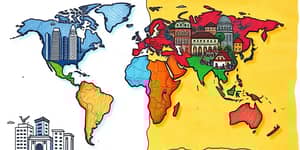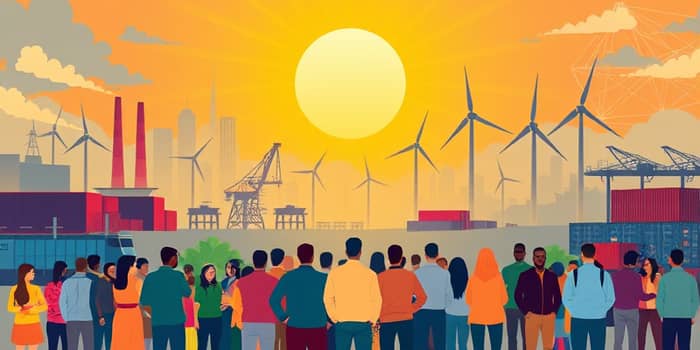
At the dawn of the 21st century, the nations of the Global South embarked on a bold journey of transformation. Bolstered by decades of reform and strategic engagement with global markets, these diverse economies have emerged as a powerhouse of growth and innovation. Today, they represent a defining shift in global economic dynamics, wielding influence that extends from manufacturing hubs in Asia to resource-rich countries in Africa and Latin America. The ascent of these markets signals a new era of collaboration and competition on the world stage.
With a combined population representing 85 percent of the global populace, the Global South now contributes substantially to trade, investment, and industrial output. By crafting policies that tap into domestic potential and international opportunity, emerging economies have achieved an annual growth of 5.1 percent—far outpacing the world average. Yet, beyond headline figures, the true story lies in the resilience, adaptability, and visionary strategies that underpin this upward trajectory.
Since 2000, the Global South’s total economic output has expanded by more than fivefold. This remarkable surge is not merely a function of scale but the result of deliberate policies aimed at fostering competitive industries. Countries such as China and India, accounting for almost half of manufacturing output among developing regions, have capitalized on technological adoption and export-led growth strategies to transform their economic landscapes.
The region now generates approximately 46 percent of global goods exports and attracts 57 percent of all foreign direct investment inflows. These figures underscore the reality that emerging markets are not passive recipients of capital and technology but active architects of a new global order. By leveraging trade agreements and nurturing local enterprises, they continue to redefine traditional North–South economic relationships.
Several structural strengths have propelled the Global South forward. While each nation’s journey remains unique, common threads bind their success stories together. These ingredients form the bedrock on which sustainable growth is built:
Together, these dynamics have fostered an environment where resilience thrives. In countries like Brazil, strategic fiscal spending supports household incomes during global downturns, while South Africa builds renewable energy capacities to diversify its energy mix. Such initiatives reflect a broader trend of resilient domestic demand and investment holding up even amidst headwinds.
Policy frameworks across the Global South have undergone profound evolution in recent years. Central banks are now more independent, demonstrating credible monetary policy frameworks that anchor inflation expectations. Fiscal authorities prioritize transparency, while macroprudential regulations focus on mitigating systemic risks. These reforms have yielded tangible benefits, including contained borrowing costs and steadier growth.
Moreover, nations are diversifying supply chains to reduce vulnerability to geopolitical tensions. Mexico and Colombia, for instance, are expanding renewable energy infrastructures and offering tax incentives to attract green investment. Meanwhile, India and China are racing to establish leadership in solar and wind technologies, anticipating long-term gains from the clean energy transition and innovation.
Despite impressive gains, the Global South confronts a spectrum of external and internal obstacles. Tariff escalations between major powers cast long shadows over trade growth, while uneven access to financing hampers infrastructure projects essential for sustained development. Inflationary pressures linger above central bank targets in several nations, necessitating careful policy calibration.
Inflation has eased from peaks of 8 percent to around 5 percent on average, but double-digit levels persist in economies like Bolivia and Ghana. Managing these fluctuations requires central banks to maintain flexibility in exchange rates, allowing them to act as shock absorbers and preserve competitiveness.
As emerging markets look to the future, a clear roadmap emerges—one that balances growth imperatives with social and environmental stewardship. Key long-term imperatives include:
Success hinges on collective action. By forging alliances based on mutual respect and shared goals, the Global South can elevate its voice in international forums. These collaborations will not only mobilize much-needed capital but also facilitate the exchange of best practices in sustainable agriculture, digital transformation, and social inclusion.
In the tapestry of global development, the rising economies of the Global South represent threads of vibrant color and resilient strength. Their ascent underscores a powerful message: inclusive policies, strategic vision, and unwavering resolve can light the path toward a more equitable and prosperous future for all.
Though challenges remain, the progress achieved thus far is a testament to human ingenuity and cooperation. As emerging markets continue to innovate and adapt, their role in shaping the contours of the 21st-century economy will only grow more prominent, heralding a new chapter in our shared journey toward prosperity.
References