Global migration is far more than shifting populations; it is a tapestry of human ambition, economic evolution, and collective resilience. As markets adapt to changing labor supplies and consumer demands, the movements of families, students, and professionals across borders shape the very contours of our shared future. When net international migration turns negative for the first time in decades, it sends ripples through GDP growth, employment rates, and community vitality.
Recent data reveal a historic decline in net migration driven by policy-driven reductions in inflows and rising outflows. In 2024 the United States saw a peak of 2.7 million new arrivals, but by mid-2025 inflows slowed dramatically. Refugee admissions fell from 105,000 to fewer than 12,000, border entries dropped into the tens of thousands, and stringent vetting reduced temporary visas.
By 2026 projections under low-inflow scenarios point to a net migration loss of nearly one million people. This would mark the first population decline since 1970 and threaten a downturn in consumer spending, business expansion, and overall economic momentum. Faced with these shifts, policymakers, businesses, and communities must respond with both empathy and innovation.
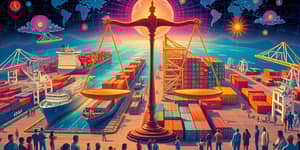
Migration does not just move people; it moves economies. A growing population fuels consumption, drives labor force expansion, and supports rising GDP. Conversely, when arrivals slow, businesses encounter labor shortages, especially in low-wage sectors like agriculture, hospitality, and construction. The foreign-born labor force, which peaked at over 53 million, saw a decline of 1.4 million by mid-2025 according to household surveys.
Fewer workers translate into slower population growth rate and reduced consumer demand. With fewer newcomers renting homes, buying products, and filling jobs, local economies feel the squeeze. Peak spending in 2022–2024 gave way to cautious markets in 2025, as manufacturers, retailers, and service providers brace for diminished growth.
Beyond statistics lie stories of families chasing opportunity, entrepreneurs launching enterprises, and students bridging cultures. Consider a young scientist from Kampala whose high-skill visa funded breakthrough research in clean energy. Or a construction worker from rural Mexico whose remittances transformed his hometown’s school. These are stories of resilience and hope that underscore migration’s human equation.
Yet migrants also encounter challenges: cultural adaptation, bureaucratic hurdles, and community integration. By understanding these individual journeys, communities can foster inclusive support networks, reduce turnover in vital occupations, and enhance social cohesion. In doing so, they make room for new chapters in the shared narrative of progress.
To harness migration’s benefits, stakeholders must collaborate on pragmatic solutions. Policymakers, employers, and civil society each hold pieces of the puzzle. By balancing security concerns with economic imperatives, governments can design pathways for legal entry while streamlining refugee and visa processes. Businesses can invest in on-the-job training, language services, and cross-cultural mentoring.
Communities play a vital role by welcoming newcomers, offering mentorship programs, and building partnerships with nonprofits. Such efforts strengthen trust, reduce isolation, and unlock the full potential of migrants’ contributions. Whether assisting a family in navigating school enrollment or connecting a professional to local networks, every gesture amplifies economic and social gains.
Migration may ebb and flow, but its impact endures. In a world of aging populations and evolving labor demands, welcoming diverse talent is not just compassionate—it is essential for sustained growth. When communities embrace change, economies flourish, and human potential is realized.
By adopting collaborative global strategies, we can mitigate the risks of negative net migration, stimulate innovation, and foster resilient societies. From local councils to international coalitions, every actor has a role in shaping a future where movement across borders enriches both people and markets.
Ultimately, migration is a testament to our shared quest for a better life. When we bridge divides, celebrate cultural exchange, and support each other’s aspirations, we do more than move economies—we grow compassion, understanding, and hope. Together, we can unlock shared human potential and chart a path toward a thriving, interconnected world.
References