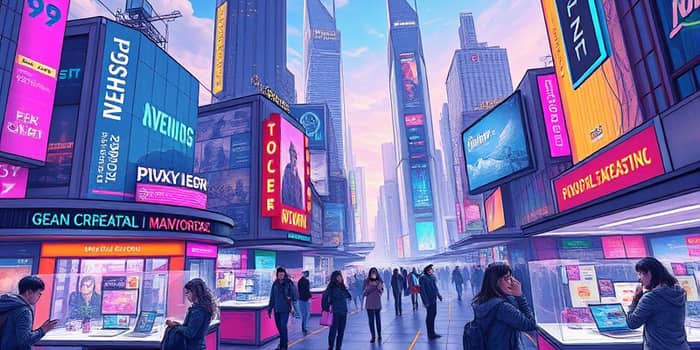
As we step into 2026, the metaverse has evolved from a speculative concept into a dynamic economic frontier. Enthusiasts and entrepreneurs alike are witnessing how digital realms are reshaping commerce, creativity, and social interaction. This article explores how you can harness unprecedented opportunities to build virtual worlds and generate real wealth.
The global metaverse market has skyrocketed, reaching an estimated USD 155.35 billion in 2025. Projections suggest it could soar to trillions by 2035, reflecting a bullish outlook across industries. Consumer engagement is surging: Gartner predicts that by 2026, 25% of people will spend at least one hour daily in virtual environments for work, shopping, education, and entertainment.
These figures underscore how rapidly the metaverse is moving from niche innovation to mainstream adoption. The potential contribution to global GDP could hit 2.8% within a decade of widespread adoption, translating to nearly USD 3 trillion by 2031.
Investors and creators are focusing on a diverse array of digital assets that form the backbone of the virtual economy. Understanding each category helps you position yourself strategically.
Each category offers distinct risk and reward profiles. Virtual real estate is capital intensive but can yield high returns through leasing or events. Digital wearables thrive on social trends, while tokenized assets depend on community engagement and provenance.
Behind the scenes, a robust technology stack powers the metaverse experience. Advances in artificial intelligence are enabling seamless cross-platform transactions and dynamic world generation, reducing development costs and accelerating innovation.
Extended reality (XR) hardware improvements—lighter headsets, higher-resolution displays, and intuitive interfaces—are bridging the gap between imagination and immersion. At the same time, blockchain scalability solutions and low-latency 5G/6G networks ensure that multi-user environments remain responsive, secure, and cost-effective.
The metaverse is reshaping multiple sectors, each finding unique ways to engage users and monetize experiences.
Retail and E-Commerce: Brands are launching virtual storefronts where customers can visualize products in 3D, try on items, and complete purchases using digital currencies. Hybrid models combine in-store and virtual sales channels.
Gaming and Entertainment: Players are monetizing gameplay through item trading and live events. Virtual concerts and interactive fan experiences are generating billions in revenue, transforming how artists connect with global audiences.
Finance and Banking: DeFi protocols enable token-based lending against virtual assets, while traditional banks explore custody and compliance solutions for digital currencies, expanding financial services into new realms.
Enterprise and Collaboration: Companies are adopting immersive training systems, 3D visualization tools, and virtual offices to boost productivity, reduce travel costs, and foster global teamwork.
The marketplace landscape is diversifying as creators and businesses experiment with revenue streams beyond traditional sales.
By integrating loyalty programs, fractional ownership, and dynamic pricing, platforms can maximize engagement and foster long-term consumer loyalty.
Early movers in the metaverse can secure direct monetization pathways and build competitive moats. Key areas to consider:
By assessing platform roadmaps and community adoption, you can identify first-mover advantages and design business models that thrive in both virtual and physical markets.
As the metaverse matures, regulators worldwide are crafting policies to ensure stability and protect consumers. Expect comprehensive frameworks addressing:
• Taxation on virtual transactions, modeled after digital services taxes.
• Intellectual property rights defining ownership in persistent virtual worlds.
• Consumer protection standards for digital goods and services.
Clear regulations will reduce uncertainty, encouraging institutional participation and mainstream adoption.
True metaverse potential emerges when users can seamlessly navigate multiple platforms with a persistent digital identity. Interoperable avatars, unified asset standards, and cross-world transaction protocols will drive enhanced user engagement and unlock a broader economy where value flows freely between environments.
Looking ahead to 2030 and beyond, the metaverse will not replace our physical economy but rather exist alongside it in a commercial adoption era where virtual and real realms coexist. This paradigm represents a transformative phase in how we create, exchange, and derive value.
By understanding market dynamics, leveraging emerging asset classes, and embracing technological advances, you can position yourself at the forefront of this revolution. The path to real wealth lies in building immersive experiences that captivate audiences, foster community, and deliver tangible economic benefits. Now is the time to turn visionary ideas into virtual realities and unlock the true potential of the metaverse.
References