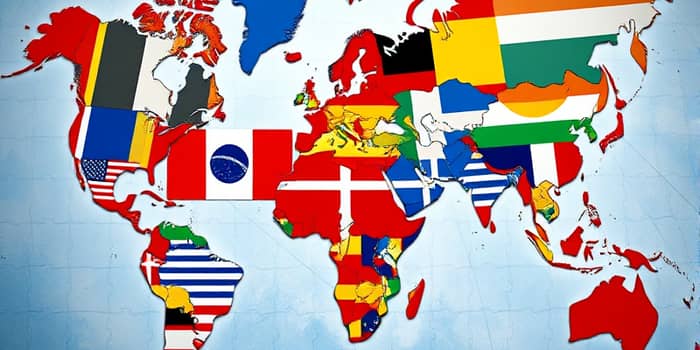
In an era of unprecedented connectivity and geopolitical flux, economic blocs have emerged as defining forces in shaping global commerce. As nations band together to pursue shared prosperity, new alliances are redrawing trade routes, shifting power balances, and unlocking opportunities for businesses and citizens alike. This article explores the evolution, benefits, challenges, and practical strategies for navigating the dynamic landscape of modern trade blocs.
Trade blocs are formal alliances among countries designed to reduce or eliminate trade barriers and coordinate economic policies for mutual benefit. These structures range from simple agreements to comprehensive unions that harmonize regulations, standards, and fiscal measures. Over the past three decades, we have witnessed a remarkable deepening of integration as global interdependence grows.
At the most basic level, a bloc fosters collaboration while maintaining distinct national policies. At its most integrated, a union can function almost as a single economy, with unified rules governing labor, capital, and goods. Grasping this spectrum is crucial for businesses and policymakers aiming to leverage new opportunities.
Six prominent alliances now command a substantial share of world trade, each reflecting unique regional ambitions and strategic priorities. From Asia’s emerging partnerships to long-established European integration, these blocs set the stage for tomorrow’s economic dynamics.
These blocs collectively represent the majority of global trade, underscoring the imperative for enterprises and governments to align strategies with these powerful frameworks.
Membership in an economic bloc can unlock advantages that extend far beyond tariff reductions. By pooling resources and aligning policies, participants often experience accelerated growth and enhanced market resilience.
These benefits form the pillars of a more connected economy, where businesses can leverage collective bargaining power effectively and governments can pursue ambitious development agendas with confidence.
Despite their promise, trade blocs also introduce complex dynamics. One common issue involves patterns of trade diversion, where commerce shifts from more efficient non-members to bloc partners, potentially distorting global efficiency. Member states sometimes encounter a perceived loss of national sovereignty as they cede control over certain policies to supranational bodies. Negotiating and harmonizing diverse economic regulations can become a lengthy, intricate process.
Looking ahead, the world is transitioning into a patchwork of interconnected nodes. Four main centers—the United States, China, a group of plurilateral democracies, and the BRICS+ coalition—are reshaping trade flows under distinct rule sets. While overall trade growth remains steady at around 2.5% annually, the frameworks governing goods and capital movement are becoming more varied.
In this evolving environment, aligning national security with trade interests has emerged as a strategic priority. Export controls, critical supply chain safeguards, and economic security initiatives now influence how blocs formulate agreements. Nations must strike a balance between openness and protectionism in sectors like semiconductors, energy, and technology.
As economic blocs continue to redefine market access and rulemaking, stakeholders must adopt proactive approaches to thrive. Whether you lead a multinational enterprise or shape national policy, the following strategies can position you for success:
By pursuing these actions, organizations and governments can transform structural changes into competitive advantages, ensuring resilience and adaptability in a shifting landscape.
The ascent of economic blocs marks a transformative shift in global trade and geopolitics. As alliances deepen and diversify, they offer both promise and complexity for all participants. By understanding the structural evolution, leveraging core benefits, confronting potential pitfalls, and deploying targeted strategies, businesses and policymakers can drive sustainable prosperity.
In this dynamic era, collaboration is key. Embrace these collective frameworks, invest in innovation and resilience, and you will be well-equipped to navigate—and shape—the future of international commerce. Together, we can turn these evolving power shifts into a force for shared progress and inclusive growth.
References