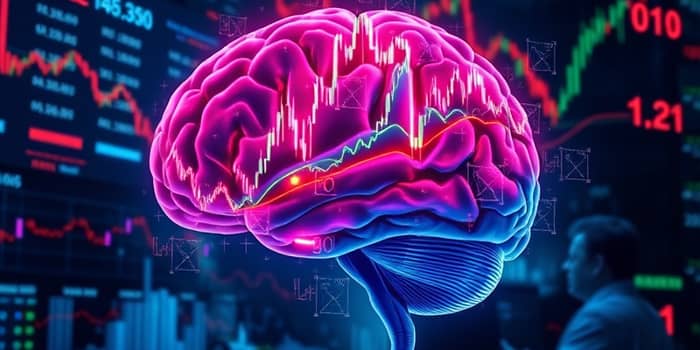
In today’s markets, emotional undercurrents often overshadow cold calculations, triggering events that defy rational expectations.
Traditional economic theories assume investors act purely rationally, optimizing portfolios without emotional interference. Yet decades of research reveal that micro-level individual errors aggregate into collective patterns that shake global markets. Behavioral finance arose in response, blending psychology and economics to explain anomalies—like volatility spikes and persistent return puzzles—that classic models cannot.
Since the 1970s, scholars have documented examples of prospect theory, noise traders, and decision heuristics driving unpredictable outcomes. Today, firms and regulators alike recognize that unchecked bias erodes wealth and stability, making awareness a critical first step.
Numerous biases shape how executives, investors, and auditors perceive opportunities and risks. The following list highlights the most consequential:
Consider the wave of mergers in the early 2000s: overconfident CEOs, bolstered by rising equity markets, embarked on acquisitions that ultimately destroyed shareholder value. Data show they were unduly optimistic about synergies, disregarding integration costs and cultural clashes.
Another striking example involves IBM and Kodak overlooking Xerox’s groundbreaking copier technology. In hindsight, executives misattributed successes and failures, a classic sign of hindsight bias. Post-event analysis painted these decisions as obvious mistakes, yet at the time they seemed justified by present circumstances and anchored expectations.
A gender study of 35,000 trading accounts over six years found that men trade 45% more frequently than women, underperforming on average due to inflated self-assessment. This highlights how affirmation of personal expertise can backfire without checks and balances.
Institutional investors now monitor indicators like the fear and greed index to gauge collective mood swings. When fear dominates, liquidity dries up and valuations slump; when greed surges, asset prices can detach from fundamentals, setting the stage for abrupt reversals.
By quantifying social media chatter, volatility measures, and credit spreads, these indices offer a window into investor psychology. Yet they are descriptive, not prescriptive—understanding sentiment must be paired with disciplined risk controls.
While biases are hardwired, organizations can implement processes to counteract them:
At the individual level, expanding one’s toolkit with checklists, journaling trade rationales, and seeking contrarian viewpoints fosters self-awareness. For teams, rotating devil’s advocates and conducting root-cause reviews help mitigate herd impulses.
Advances in artificial intelligence promise real-time bias detection by flagging anomalous decision patterns before damages occur. Regulators are also exploring mandatory bias training for fund managers to promote market stability. Such measures could reduce volatility, enhance returns, and restore public confidence in financial systems.
Ultimately, recognizing that every choice carries an emotional imprint transforms how we approach risk and reward. By shining light on unseen biases, investors and executives can chart a steadier course through turbulent markets and unlock more consistent performance.
Regulators educate to curb turbulence and firms adopt emerging tools, the synergy will shape a more resilient financial ecosystem for generations to come.
References